Could Your copyright Get Scanned? Here's Ways to Check
Wiki Article
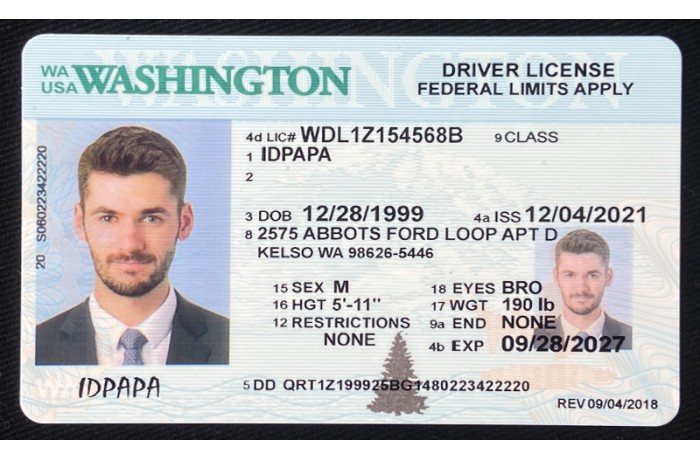
Trying to sneak into a bar or buy some age-restricted goodies with a copyright? You might want to think twice. These days, technology/scanners/devices are getting more sophisticated/really advanced/super smart, making it easier/simpler/a breeze for bouncers and store clerks to {spot/uncover/identify those fraudulent IDs. But how can you know for sure if your fake/phony/bogus ID will slip through/past/by the scanner? There are a few/couple of/handful of things you can do to figure it out/get some answers/find out.
- Check/Look at/Examine the ID's features/details/elements: A genuine ID will have distinct/specific/unique features that a fake likely/probably/won't replicate. Pay attention to/Look closely at/Scrutinize the hologram, font, security strip, and compare it/match it up/see if it matches to a real ID.
- Do your research/Find out/Investigate about the scanners used in your area: Different stores/bars/establishments use different types of/various/unique scanners, so some fakes might work in one place/at certain spots/in specific locations but not in others.
- Talk to someone who knows/Get advice from/Consult with an expert: If you're seriously concerned about your ID getting scanned, reach out to/talk to/contact someone who knows about/is familiar with/understands copyright and scanners.
Remember, using a copyright is illegal and can have serious consequences/severe penalties/major repercussions. It's always best to be honest and follow the rules/obey the law/behave appropriately.
Crafting a Convincing copyright: Making It Scannable
Want your artificial ID to fool the optic eyes? You need more than just a authentic picture. Getting it scanned successfully is vital. That means including the right encryptic features.
Think about it like this: genuine IDs have encrypted details that scanners interpret. You gotta mimic those, or your ID will look questionable. Research the format of common IDs and analyze their design.
Look up papers online to grasp the nuances. Remember, a good copyright isn't just about the image; it's about deceiving the technology.
Unveiling the Secrets: Methods for Make a copyright Readable
Yo, wanna know the inside scoop? Making a copyright readable isn't just about laser focus, it's about knowing the tricks. First off, you gotta get your hands on some top-notch stock. Think smooth and thick, not that thin stuff you'd find in a spiral-bound journal. Then, fine-tune those ink intensities check here to make the legible as hell. And don't forget about the little details, like the correct font. Those fine-tuned touches can make all a total game-changer.
- Don't rush
- Keep at it
- Know the risks
Need Scannable copyright: The Ultimate Guide
Trying to score a top-notch scannable copyright can feel like navigating a maze. There are stacks of scams out there, and it's easy to get with a piece of trash that won't even deceive a casual glance.
- That's why we've compiled this detailed guide to help you find the best scannable copyright and keep safe from fraudsters.
- Understand about the different types of scannable IDs available, such as state-issued replicas and custom-designed options.
- We'll also explore the legality of using copyright, so you you make intelligent decisions.
Ready to demystify the world of scannable copyright? Let's
copyright Tech: From Unreadable to Scan-Proof
Back in the day, copyright were pretty simple/basic/straightforward affairs. You're talking about photoshopped images/hand-drawn designs/amateur creations and easily identifiable flaws. Security features like holographic patterns/designs/elements were practically non-existent. But times have changed, my friends. The realm/world/landscape of copyright ID technology has taken a dramatic turn. We're talking about IDs that are becoming increasingly sophisticated/advanced/complex, using cutting-edge techniques to evade/circumvent/outwit even the most powerful/robust/up-to-date scanning equipment.
These new gernerations/iterations/versions of copyright often incorporate multi-layered/embedded/complex security features that are nearly impossible to replicate. They might use ultraviolet inks/microprinting/invisible markers that are only visible under specific light conditions/special scanners/unique wavelengths. Some even use biometric technology/fingerprint recognition/facial mapping to create incredibly realistic/convincing/authentic IDs.
The implications of this technological shift/advancement/evolution are pretty serious/significant/alarming. It's becoming increasingly difficult/more challenging/harder than ever for authorities to keep up. This means higher risks/more vulnerabilities/greater threats in areas like identity theft/age verification/fraud prevention. So, yeah, the game has definitely changed when it comes to copyright.
The Ultimate Blueprint: How to Make a copyright That Passes
Creating a convincing copyright is more than just replicating the layout of a real one. It's about understanding the security features, the subtle nuances, and the technology used to verify identity documents. This challenging art form requires precision, knowledge, and a good understanding of copyright practices. You'll need to delve into the world of security features, learn about UV inks, and master the nuances that make a copyright convincing.
But remember, this knowledge should be used responsibly. Creating or using copyright is illegal and can have serious consequences. This guide is for informational purposes only and does not encourage any illegal activities.
Report this wiki page